Cabinet Approves Electrification of Sri Lanka’s Busiest Railway Corridors
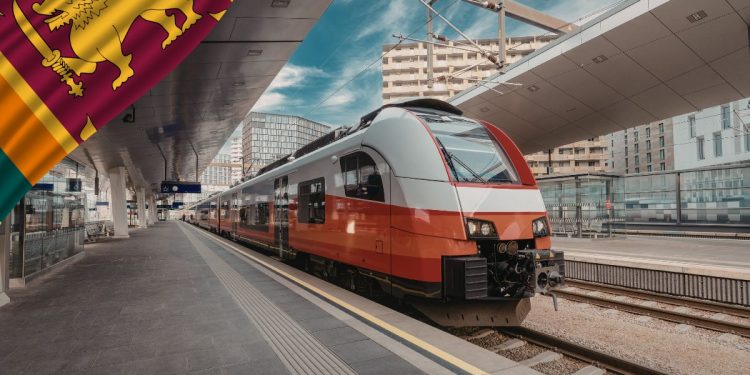
The Cabinet of Ministers has granted approval for a proposal to electrify major railway corridors across Sri Lanka, as part of a long-term initiative to modernize the country’s transport network.
Priority Given to the Busiest Routes
Railway routes with the highest commuter traffic have been identified as the priority areas for electrification. Assistance for the work is expected from international development agencies.
At present, the majority of railway services in the country operate using diesel-powered systems.
Authorities have emphasized the importance of upgrading railway tracks, signaling networks, and related infrastructure alongside electrification, in order to improve operational efficiency and service reliability.
More Than Just Electrification
The government’s new programme covers several areas of work rather than electrification alone.
It includes the construction of additional railway lines, the development of double-track sections, and the modernization of signaling systems. Together with electrification, these measures are intended to establish a modern rail transport network.
According to the government, the project aims to increase passenger capacity, shorten travel times, and support the development of a sustainable and environmentally friendly public transportation system.
The Routes Approved
The Cabinet approved the proposal submitted by the Minister of Transport to commence electrification on the following routes:
Main Line — Maradana to Ragama, including station upgrades at Gampaha, Veyangoda, Mirigama, and Polgahawela.
Kelani Valley Line — Maradana to Makumbura.
Coastal Line — Maradana to Panadura.
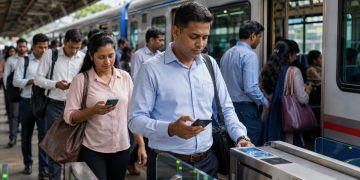
All three corridors serve the Colombo commuter belt, which carries the heaviest daily passenger loads in the network.
Why It Matters
Electrified rail typically allows for faster acceleration between stations, more frequent services, and lower emissions compared with diesel operations. On short-distance commuter routes with closely spaced stops, those gains are especially noticeable.
The inclusion of signaling upgrades and double-tracking is equally important. Electrification on its own does little if the surrounding infrastructure limits how many trains can safely run on a line.
What Comes Next
With Cabinet approval secured, attention now moves to funding arrangements with international development agencies and to the timelines for each corridor.
For daily commuters on the Main Line, Kelani Valley Line, and Coastal Line, the practical questions will be when construction begins, how services are managed during the work, and how soon the improvements in capacity and travel time are felt.